


Table of Contents
Moving to a new home is an exciting yet complicated process. Whether you’re relocating across town or the globe, one burning question on your mind is likely, “How long will this take?” The duration of a move is influenced by various factors, from the distance traveled to the size of your household and the level of preparation. This comprehensive guide will delve into the details of moving timelines and provide actionable tips for planning and executing a successful relocation.
Understanding the Variables Impacting Moving Timelines
Moving is a complicated process, and the time it takes to complete can vary significantly depending on several key factors. The distance of your move is the most obvious consideration, with local moves requiring less time than long-distance or international relocations. However, your household size and the amount of belongings you need to transport also play a crucial role. An enormous household may necessitate more time for packing, loading, and unloading, while downsizing can streamline the process.
The preparation and organization level can also significantly impact your move’s efficiency. Those who meticulously plan and pack well in advance will likely experience smoother transitions than those who leave everything until the last minute. Other factors, such as the availability of professional movers, weather conditions, and unexpected delays, can further influence the timeline.

How to Plan and Prepare Efficiently
Planning and preparation are the cornerstones of a successful and stress-free move. Creating a comprehensive plan and organizing your belongings efficiently can streamline the moving process and minimize unnecessary delays.
Craft a Detailed Moving Plan:
The first step in planning your move is to create a detailed moving plan. Start by making a checklist of all the tasks that need to be completed before, during, and after the move. This checklist should include everything from decluttering and packing to arranging transportation and notifying utility companies. Break down each task into smaller, manageable steps and assign deadlines to ensure that everything gets done on time.
Set Realistic Timelines:
Setting realistic timelines is essential to avoid last-minute stress and ensure that everything is completed in a timely manner. Be honest with yourself about how much time each task will take, and factor in extra time for unexpected delays or complications. It’s better to overestimate the time needed for each task than to underestimate and find yourself scrambling at the last minute.
Prioritize Tasks:
Not all tasks are created equal, and it’s essential to prioritize them based on their urgency and importance. Start by tackling the most critical tasks first, such as decluttering and packing important items. Once those are out of the way, you can move on to less urgent tasks like scheduling utility transfers and forwarding your mail. By prioritizing your tasks, you can ensure that the most important things get done first, reducing the risk of overlooking essential items.
Gather Packing Supplies:
Before you can start packing, you’ll need to gather all the necessary packing supplies. This includes boxes in various sizes, packing tape, bubble wrap, packing paper, and markers for labeling. Make a list of everything you’ll need and purchase or gather supplies well in advance to avoid last-minute scrambling.
Declutter and Downsize:
Moving presents an excellent opportunity to declutter and downsize your belongings. Before you start packing, go through each room in your home and decide what to keep, donate, sell, or discard. Be ruthless in your decluttering efforts and only keep items that you truly need or love. Not only will this reduce the amount of stuff you have to move, but it will also make unpacking and settling into your new home much more manageable.
Organize Belongings Systematically:
When packing, it’s essential to organize your belongings systematically to make unpacking easier. Pack similar items together and label each box with its contents and the room it belongs in. Use color-coded labels or a numbering system to keep track of your boxes and ensure that everything ends up in the right place in your new home.
Secure Important Documents:
Throughout the moving process, it’s essential to keep important documents secure and easily accessible. This includes passports, birth certificates, financial records, and moving contracts. Consider creating a dedicated folder or binder for all your essential paperwork and keep it with you during the move to ensure it is found.
Communicate with Your Moving Team:
Communication is critical if you’re hiring professional movers or enlisting the help of friends and family. Clearly communicate your preferences and requirements to your moving team, including any special instructions or concerns you may have. Keep the lines of communication open throughout the moving process to ensure that everyone is on the same page and that the move goes smoothly.
Stay Flexible and Adapt as Needed:
No matter how well you plan and prepare, unexpected challenges may arise during the moving process. It’s essential to stay flexible and adapt to changing circumstances as needed. Be prepared to adjust your plans if necessary, and approach any unexpected challenges with a positive attitude and a willingness to find solutions.

Navigating Local Moves: Timeframe Strategies
Regarding local moves, proper planning and efficient execution are key to a smooth transition to your new home. While the timeline for local moves can vary depending on factors such as the size of your household and the distance between your old and new homes, there are several strategies you can employ to stay on track and minimize delays. Here are some timeframe strategies to help you navigate your local move effectively:
Start Early: Begin planning and preparing for your local move as soon as possible. While local moves typically require less time than long-distance relocations, giving yourself plenty of time to get organized and make arrangements is essential.
Create a Moving Timeline: Develop a detailed moving timeline that outlines all the tasks you need to complete before moving day. Include deadlines for tasks such as decluttering, packing, hiring movers, and transferring utilities to ensure that everything gets done on time.
Declutter and Downsize: Take advantage of the opportunity to declutter and downsize your belongings before your move. Go through each room in your home and decide what to keep, donate, sell, or discard. The less stuff you have to move, the quicker and easier the process will be.
Pack Strategically: Pack strategically to make the most efficient use of your time and space. Start by packing items you don’t use frequently, such as out-of-season clothing and decorative items. Label boxes clearly with their contents and the room they belong in to make unpacking easier.
Hire Professional Movers Early: If you’re hiring professional movers for your local move, book them well in advance to secure your preferred moving date and time. Research local moving companies, read reviews, and get quotes from multiple movers to find the best fit for your needs and budget.
Coordinate Logistics: Coordinate logistics such as transportation, parking, and elevator reservations if applicable. Make arrangements to reserve a parking spot for the moving truck at both your old and new residences to minimize delays on moving day.
Notify Utility Companies: Contact utility companies to schedule disconnection at your old address and connection at your new address. Arrange for utilities such as electricity, water, gas, internet, and cable to be transferred to your new home on or before moving day.
Pack an Essentials Box: Pack an essentials box containing items you’ll need immediately upon arrival at your new home, such as toiletries, medications, a change of clothes, snacks, and essential documents. Keep this box easily accessible during the move to avoid having to search through packed boxes for essentials.
Breaking Down Long-Distance Moves: Timeline Tactics
Long-distance moves present unique challenges and require careful planning to ensure a smooth transition to your new home. Whether you’re relocating to a neighboring state or across the country, understanding the timeline and implementing effective strategies are essential for a successful move. Here are some timeline tactics to help you break down the process of a long-distance move:
Start Planning Early: Long-distance moves require more preparation and coordination than local moves, so it’s crucial to start planning as early as possible. Begin by researching moving companies, gathering packing supplies, and creating a detailed moving timeline.
Research Moving Companies: Take the time to research and compare moving companies that specialize in long-distance relocations. Read reviews, request quotes, and ask for recommendations from friends or family members who have recently moved long-distance.
Obtain Quotes and Book Movers: Contact several moving companies to obtain quotes for your long-distance move. Once you’ve selected a reputable mover that fits your budget and needs, book their services well in advance to secure your preferred moving date.
Declutter and Downsize: Before packing, take inventory of your belongings and declutter your home. Donate, sell, or discard items you no longer need or use to lighten your load and reduce moving costs. Downsizing will also make packing and unpacking more manageable.
Pack Methodically: Packing for a long-distance move requires careful planning and organization. Start by packing non-essential items well in advance of your move date. Use sturdy boxes, packing paper, bubble wrap, and packing tape to protect your belongings during transit. Label boxes clearly with their contents and destination room to streamline the unpacking process.
Coordinate Logistics: Long-distance moves involve more logistical considerations than local moves. Coordinate logistics such as transportation, storage, and travel arrangements for yourself and your family members. Arrange for pet transportation and accommodations if applicable.
Notify Utilities and Service Providers: Contact utility companies and service providers to schedule disconnection at your old address and connection at your new address. Arrange for utilities such as electricity, water, gas, internet, and cable to be transferred to your new home before your move-in date.
Prepare for Travel: If you’re driving to your new home, plan your travel route in advance and make hotel reservations if necessary. If you’re flying, book flights and arrange for transportation from the airport to your new home. Pack a travel bag with essentials for the journey, including snacks, water, medications, and important documents.
Stay Organized and Flexible: Throughout the moving process, stay organized and flexible in your approach. Keep important documents, valuables, and essential items easily accessible during the move. Be prepared to adapt to unexpected delays or changes in plans, and maintain open communication with your moving company and other service providers.
Tackling International Moves: Time Management Essentials
Moving internationally is a complex undertaking that requires meticulous planning and efficient time management. From navigating customs regulations to coordinating logistics across borders, there are many factors to consider when planning an international move. To help you tackle the challenges of relocating to a new country, here are some time management essentials to keep in mind:
Begin Planning Early: International moves require extensive preparation, so it’s essential to start planning as early as possible. Research the requirements for moving to your destination country, including visa regulations, customs restrictions, and residency permits. Create a detailed timeline that outlines all the tasks you need to complete before your move, from obtaining necessary documents to arranging transportation for your belongings.
Research Moving Companies: When moving internationally, choosing a moving company with experience in international relocations is crucial. Research moving companies that specialize in international moves and request quotes from several providers. Consider factors such as shipping options, insurance coverage, and customer reviews when selecting a moving company for your international move.
Obtain Necessary Documents: Moving to a new country often requires obtaining various documents and permits. Research the specific requirements for your destination country and ensure that you have all the necessary paperwork well before your move. This may include passports, visas, work permits, residency permits, and vaccination records.
Prepare Your Belongings for Shipment: Packing for an international move requires careful consideration, as your belongings will be transported over long distances and may be subject to customs inspections. Take inventory of your belongings and pack them securely in sturdy boxes with ample padding. Consider hiring professional packers to ensure that your items are packed safely and efficiently for international shipment.
Coordinate Logistics: Coordinating the logistics of an international move can be challenging, especially when navigating customs regulations and shipping routes. Work closely with your moving company to coordinate the shipment of your belongings and arrange for transportation from your current residence to the port of departure. Consider factors such as shipping schedules, transit times, and customs clearance procedures when planning the logistics of your international move.
Notify Utility Providers and Service Providers: Before you move internationally, be sure to notify utility providers and service providers of your upcoming relocation. Arrange for utilities to be disconnected at your current residence and services such as internet, cable, and phone canceled. Research utility providers in your destination country and arrange for utilities to be connected at your new residence before your arrival.
Plan for Arrival: Upon arrival in your new country, there are several tasks you’ll need to complete to settle into your new home. This may include finding temporary accommodation, opening a bank account, enrolling children in school, and obtaining a local driver’s license. Plan ahead and research these tasks to ensure a smooth transition to your new life abroad.
Stay Flexible and Adapt: Moving internationally can be unpredictable, and unexpected challenges may arise along the way. Stay flexible and adaptable in your approach, and be prepared to adjust your plans as needed. Maintain open communication with your moving company and other service providers to address any issues that may arise during your international move.
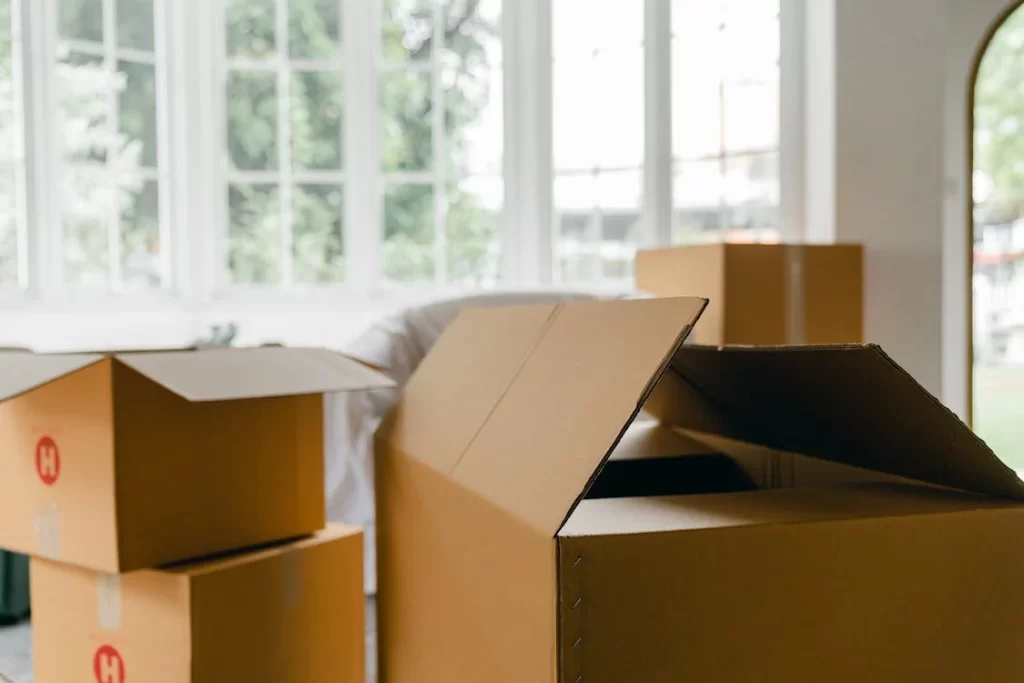
Choosing Between DIY and Professional Help: Time Impact Analysis
Deciding whether to handle your move yourself or enlist the services of professional movers can significantly impact the time it takes to complete your relocation. Each option comes with its own set of advantages and considerations that can affect the overall timeline of your move. Let’s conduct a time impact analysis to help you determine which approach is best for your specific needs:
DIY Move:
Opting for a do-it-yourself (DIY) move can offer greater flexibility and cost savings, but it often requires more time and effort on your part. Here are some factors to consider when estimating the time required for a DIY move:
- Packing and Loading: Packing up and loading your belongings onto a rented moving truck can be time-consuming, especially if you have a large household or bulky items. You’ll need to allocate sufficient time to gather packing supplies, carefully pack your belongings, and load them onto the truck.
- Transportation: Driving a rented moving truck to your new home can take longer than hiring professional movers, mainly if you’re not accustomed to driving large vehicles or navigating unfamiliar roads. Be prepared for potential delays due to traffic, road conditions, and other factors.
- Unloading and Unpacking: Once you arrive at your new home, you’ll need to unload the truck and unpack your belongings. This process can also take time, particularly if you’re moving into a multi-story house or have a lot of boxes to unpack.
- Assembly and Set-Up: If you’ve disassembled furniture or appliances for the move, you’ll need to reassemble them and set them up in your new home. This can add additional time to the moving process, especially if you encounter any challenges or missing parts.
Professional Movers:
Hiring professional movers can streamline the moving process and save you time and effort, but it typically comes at a higher cost. Here’s how professional movers can impact the timeline of your move:
- Packing and Loading: Professional movers have the experience and expertise to pack your belongings quickly and efficiently, saving you time and ensuring that your items are adequately protected during transit. They’ll also handle the loading and unloading of your belongings, minimizing the time and effort required on your part.
- Transportation: Professional movers have access to large trucks and equipment, allowing them to transport your belongings more quickly and safely than if you were to drive a rented moving truck yourself. They’ll also handle the logistics of the move, including navigating routes and coordinating delivery schedules.
- Unloading and Unpacking: Once your belongings arrive at your new home, professional movers will unload the truck and place your items in the designated rooms, speeding up the unpacking process. Some moving companies offer additional services such as furniture assembly and appliance installation, further reducing the time and effort required on your part.
- Efficiency and Expertise: Professional movers are trained to handle all aspects of the moving process efficiently and effectively. They have the skills, equipment, and resources to overcome challenges and ensure a smooth transition to your new home.
How to Efficiently Pack and Unpack: Time-Saving Strategies
Efficiently packing and unpacking your belongings is essential for streamlining the moving process and saving valuable time. By implementing time-saving strategies and organization techniques, you can make packing and unpacking more efficient and less stressful. Here are some tips for efficiently packing and unpacking:
Packing:
- Start Early: Begin packing well in advance of your move to avoid last-minute stress. Set aside dedicated time each day or week to tackle packing tasks gradually.
- Declutter First: Before you start packing, declutter your belongings and get rid of items you no longer need or use. This will reduce the amount of stuff you have to pack and make unpacking easier.
- Gather Supplies: Collect all the packing supplies you’ll need, including boxes, packing paper, bubble wrap, tape, markers, and labels. Having everything on hand will help you stay organized and efficient.
- Pack Room by Room: Focus on packing one room at a time to maintain organization and prevent items from getting mixed up. Start with rooms you use less frequently, such as spare bedrooms or storage areas.
- Label Boxes Clearly: Label each box with its contents and the room it belongs in to make unpacking easier. Use color-coded labels or a numbering system to keep track of boxes and ensure they end up in the right place in your new home.
- Pack Strategically: Pack heavier items at the bottom of boxes and lighter items on top to prevent crushing. Use padding, such as bubble wrap or packing paper, to protect fragile items and fill empty spaces in boxes to prevent shifting during transit.
- Pack an Essentials Box: Pack a separate box with essential items you’ll need immediately upon arrival at your new home, such as toiletries, medications, a change of clothes, and important documents. Keep this box easily accessible during the move.
Unpacking:
- Plan Ahead: Before you start unpacking, create a plan for how you want to organize your new home. Decide where furniture will go and prioritize unpacking essential items first.
- Unpack Room by Room: Unpack one room at a time to maintain organization and prevent overwhelm. Start with essential rooms like the kitchen and bedrooms before moving on to less critical areas.
- Focus on Necessities: Unpack essential items first, such as bedding, kitchen essentials, and toiletries, to make your new home functional right away. You can tackle non-essential items and decor later.
- Use Organizational Tools: Invest in organizational tools such as drawer dividers, shelf liners, and storage bins to maximize space and keep belongings neat and tidy.
- Break Down Boxes: As you unpack, break down empty boxes and set them aside for recycling or disposal. This will help clear clutter and make navigating your new home easier.
- Take Breaks: Unpacking can be physically and mentally exhausting, so be sure to take breaks as needed. Pace yourself and enlist help from friends or family members if possible.
- Stay Flexible: Be prepared to adjust your unpacking plan as needed based on your space and needs. It’s okay to rearrange furniture or change your mind about where items should go as you settle into your new home.

Coordinating Transportation and Logistics
Coordinating transportation and logistics is critical to any move, ensuring that your belongings arrive safely and on time at your new home. Effective timeline coordination techniques can help streamline the moving process and minimize delays. Here are some strategies for coordinating transportation and logistics:
1. Plan Ahead: Start planning the transportation and logistics of your move as soon as possible to allow ample time for preparation and coordination. Create a detailed timeline that outlines all the tasks you need to complete before moving day, including packing, hiring movers, and arranging transportation.
2. Research Moving Companies: Research moving companies well in advance of your move date to find a reputable provider that meets your needs and budget. Obtain quotes from several moving companies and read reviews to ensure you’re choosing a reliable and experienced mover.
3. Reserve Moving Services Early: Book their services as early as possible to secure your preferred moving date and time once you’ve selected a moving company. Avoid last-minute bookings, as popular moving dates can fill up quickly, especially during peak moving seasons.
4. Coordinate Transportation: Work closely with your chosen moving company to coordinate transportation logistics for your move. Provide them with detailed information about your current and new addresses and any special requirements or instructions for handling your belongings.
5. Communicate Expectations: Clearly communicate your expectations and requirements to your moving company to ensure a smooth and efficient move. Discuss any specific concerns or instructions regarding fragile items, large furniture, or valuable belongings.
6. Schedule Pick-Up and Delivery: Coordinate pick-up and delivery times with your moving company to ensure that they align with your schedule and timeline. Be flexible and accommodating when scheduling these appointments, but also communicate any time constraints or restrictions you may have.
7. Arrange Temporary Storage: If necessary, temporarily store your belongings during the moving process. Coordinate the logistics of transporting items to and from the storage facility and ensure that your moving company is aware of any items that will be stored temporarily.
8. Confirm Details: Prior to moving day, confirm all details and arrangements with your moving company to avoid any last-minute surprises or misunderstandings. Double-check pick-up and delivery times, addresses, and any special instructions you’ve provided.
9. Stay Flexible: While careful planning is essential, staying flexible and adaptable throughout the moving process is also important. Be prepared to adjust your plans as needed in response to unforeseen circumstances or changes in logistics.
10. Follow Up: After your move is complete, follow up with your moving company to provide feedback on their services and ensure that everything went according to plan. This will help you assess their performance and identify any areas for improvement for future moves.
Managing Special Considerations: Large Items and Storage
When planning a move, it is essential to dedicate enough time to managing special considerations such as transporting large items and arranging for storage solutions. Whether you’re moving bulky furniture or need temporary storage for your belongings, careful time management is key to ensuring that these aspects of your move are addressed efficiently and effectively.
Assessing Large Items: Evaluate the large items you’ll be moving, such as furniture, appliances, and other bulky belongings. Take inventory of these items and consider factors such as size, weight, and fragility when planning for their transport.
Planning for Disassembly: If necessary, disassemble large items before moving them to make them easier to transport and handle. This may include removing furniture, doors or drawers, and appliances.
Coordinating Transportation: Coordinate transportation logistics for large items, such as renting a moving truck or hiring a specialty moving company specializing in oversized belongings. Ensure that the moving vehicle you choose can accommodate the size and weight of your large items.
Arranging for Assistance: Enlist the help of friends, family members, or professional movers to load and unload large items. Make sure that everyone involved is aware of the plan and knows how to handle the items safely and securely.
Scheduling Delivery: If you’re moving large items to a storage facility or another location before your move-in date, schedule delivery or transportation accordingly. Coordinate the timing of the delivery to ensure that it aligns with your moving schedule and any other logistical considerations.
Researching Storage Options: If you need temporary storage for large items or belongings that will be moved into your new home, research storage options in your area. Compare pricing, amenities, and security features to find a storage facility that meets your needs.
Booking Storage Units: Once you’ve chosen a storage facility, book storage units as needed to accommodate your belongings—reserve units in advance to ensure availability and secure your preferred unit size.
Labeling and Organizing: Clearly label large items and boxes containing large items to ensure they are correctly handled and transported. Use color-coded labels or a numbering system to identify which items belong together and where they should be placed in your new home or storage unit.

Settling Into Your New Home: Post-Move Transition Tips
Settling your new home after a move can be exciting and overwhelming. As you adjust to your new surroundings and start to make your house feel like home, it’s essential to take some time to navigate the post-move transition effectively. Here are some tips to help you settle into your new home smoothly:
Unpack Strategically
To immediately make your new home functional, prioritize unpacking essentials such as bedding, toiletries, and kitchen essentials. Create a plan for unpacking room by room, starting with the most critical areas like the bedroom and kitchen.
Take it Slow
Moving can be physically and emotionally exhausting, so feel free to unpack everything all at once. Pace yourself and take breaks as needed to avoid burnout. Set realistic goals for unpacking and focus on making incremental progress each day.
Get Organized
Take the time to organize your belongings as you unpack to prevent clutter and chaos from taking over your new home. Invest in organizational tools such as storage bins, shelving units, and drawer dividers to maximize space and keep items neat and tidy.
Explore Your Neighborhood
Take advantage of this opportunity to explore your new neighborhood and get to know your surroundings. Walk or drive around the area to familiarize yourself with nearby amenities, such as grocery stores, restaurants, parks, and schools.
Meet Your Neighbors
Building connections with your neighbors can help you feel more at home in your new community. Introduce yourself to your neighbors and take the time to get to know them. Consider hosting a housewarming gathering or attending community events to meet new people.
Set Up Essential Services
Set up essential services such as utilities, internet, cable, and phone service as soon as possible after your move—contact utility providers to arrange for connections or transfers and schedule appointments for installations as needed.
Make it Feel Like Home.
Personalize your new space and make it feel like home by adding personal touches such as photos, artwork, and decor. Arrange furniture and belongings in a comfortable and functional way, and feel free to experiment with different layouts until you find what works best for you.
Address Any Issues
Take the time to address any issues or concerns you may encounter in your new home, such as maintenance issues or repairs. Contact your landlord or property manager if you’re renting, or schedule appointments with contractors or service professionals to address any necessary repairs or improvements.
Take Care of Yourself
Moving can be stressful, so be sure to prioritize self-care during the post-move transition. Get plenty of rest, eat healthily, and take breaks when needed. Make time for activities you enjoy and focus on maintaining a sense of balance and well-being as you settle into your new home.
Be Patient
Adjusting to a new home and community takes time, so be patient and permit yourself to acclimate at your own pace. Embrace the process of settling in and allow yourself to enjoy the journey of making your new house feel like home.
Move Seamlessly With Movers of Redondo Beach
Ready to make your move a seamless and stress-free experience? Whether planning a local relocation or moving across the country, our Movers of Redondo Beach team is here to help. Contact us today to learn more about our comprehensive moving services, and let us assist you every step of the way. From packing and transportation to unpacking and settling into your new home, we’ll ensure your move is efficient, organized, and hassle-free. Don’t wait – reach out to us now to schedule your move and take the first step towards a smooth transition to your new home!

