


Table of Contents
Moving to a new home symbolizes a fresh start, an opportunity to create new memories, and a chance to reorganize your life. However, it’s undeniable that the process comes with its challenges and excitement. Whether you’re relocating across town or across the globe, the key to a successful move lies in meticulous planning and effective execution. This comprehensive guide is designed to demystify the moving process, offering you a step-by-step timeline from planning to settling in, ensuring your move is as stress-free and efficient as possible.
The Thrill and Challenges of Moving
Moving is more than just transporting belongings; it’s about transitioning to a new phase of life. The thrill of setting up a new home, exploring a new neighborhood, and making new friends is exhilarating. Yet, this excitement often comes with the anxiety of packing, the fear of forgetting important details, and the stress of ensuring everything goes according to plan.
This guide is your ally, aiming to transform the potentially overwhelming process of moving into a series of manageable, organized steps. By breaking down the timeline, offering practical packing tips, outlining transportation logistics, and guiding you through the post-move settling in phase, we aim to arm you with the knowledge needed to navigate your move confidently.
Pre-move planning is crucial, ensuring you’re well-prepared before the big day. Understanding how to choose the right moving company, the art of packing efficiently, and the significance of a moving day itinerary can make all the difference. We’ll delve into strategies for a stress-free move, including how to manage moving with pets, ensuring the safety of your belongings, and even tips for the first night in your new home.
Understanding the Impact of Various Factors on Your Moving Timeline
When embarking on the journey of moving to a new home, it’s essential to understand that numerous variables can influence the overall timeline of your move. Recognizing these factors can aid in creating a more realistic and efficient moving plan, ensuring that you’re prepared for the various stages of the relocation process.
Key Factors Influencing Your Moving Timeline
- Distance of Your Move: The length of your move significantly impacts your timeline. A local move may require only a few days of preparation and a single day for the move itself, whereas a long-distance or international move demands extensive planning, longer transit times, and more complex logistics.
- Size of Your Household: The volume of items you plan to move directly affects the duration of the packing and moving process. A larger home with more belongings necessitates additional time for packing, loading, and unpacking.
- Level of Preparation: Early and thorough preparation can streamline the moving process. This includes decluttering, acquiring packing materials, and booking movers well in advance. Procrastination or poor organization can lead to delays and added stress.
External Factors Impacting Your Timeline
- Availability of Professional Movers: Your moving timeline can also depend on the availability of a reliable moving company. During peak moving seasons, securing a moving date may require advanced booking. Always choose a reputable company to ensure your belongings are handled with care.
- Special Accommodations: If you have large, heavy, or special items that require additional care, this can extend your timeline. Similarly, if you need storage solutions during your move, this will need to be factored into your schedule.
- Unforeseen Circumstances: Weather conditions, traffic, and other unexpected events can influence your moving day. While some of these elements are out of your control, building extra time into your timeline can help mitigate their impact.

The Essential Steps of Planning and Preparation
Embarking on a move requires more than just determination; it necessitates a well-thought-out plan that serves as a roadmap through the intricacies of the moving process. This section delves into the pivotal steps of planning and preparation, ensuring that every aspect of your move is methodically organized and executed.
Crafting a Well-Structured Moving Plan
A well-structured moving plan is the backbone of a successful move. It lays out each step you need to take, helping you navigate through the process without overlooking essential tasks.
- Identify Key Tasks: Start by listing every task that needs to be completed, from sourcing packing supplies to transferring your utilities. This comprehensive list will serve as the foundation of your plan.
- Set Deadlines: Assign realistic deadlines to each task. This not only keeps you on track but also helps distribute the workload evenly, preventing last-minute rushes.
- Delegate Responsibilities: If you’re not moving alone, delegate tasks to family members or roommates. This shared approach not only lightens the load but also fosters a sense of teamwork.
- Stay Organized: Keep all moving-related documents—contracts, receipts, and an inventory of your belongings—in one dedicated folder or digital space for easy access.
Setting a Realistic Moving Schedule
A realistic moving schedule is crucial for managing your time effectively and ensuring that every task is completed when it needs to be.
- Break Down Tasks: Divide larger tasks into smaller, more manageable steps. For example, instead of listing “pack house,” break it down by room or even by item category.
- Use a Calendar: Mark important dates, deadlines, and appointments on a calendar dedicated to your move. This visual representation helps you grasp the timeline at a glance.
- Stay Flexible: Be prepared to adjust your schedule as needed. Unexpected tasks or delays are common, so flexibility can help you stay calm and collected.
- Celebrate Milestones: Acknowledge and celebrate when you complete major steps. This not only provides motivation but also helps you track your progress.
Estimating Your Moving Time
Estimating the time required for your move is vital for setting realistic expectations and planning your schedule.
- Assess Your Belongings: Conduct an inventory of your belongings to gauge the scale of your move. The more you have, the longer packing and unpacking will likely take.
- Research Moving Companies: If you’re hiring professional movers, get quotes and timelines from multiple companies. Their expertise can also provide insights into how long certain tasks will take.
- Consider Special Circumstances: Account for factors like the time of year, weather conditions, and any special handling needed for particular items.
- Plan for Contingencies: Always have a backup plan. Whether it’s inclement weather or a delay in getting your new keys, being prepared for unforeseen circumstances can help mitigate stress.
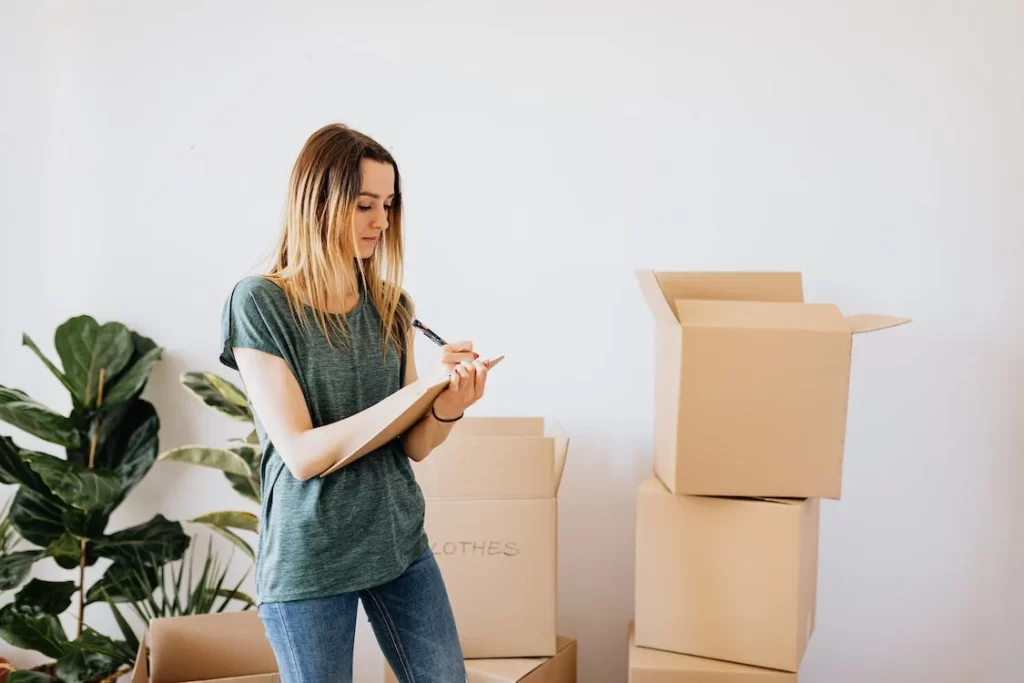
Detailed Timelines for Different Move Types
Each move is unique, with its own set of requirements and challenges. Understanding the specific timeline for your type of move—whether it’s local, long-distance, or international—can help you plan more effectively and ensure a smoother transition.
Local Moves: Timeline Breakdown
Local moves are generally less complex, but they still require careful planning and organization.
- Preparation (2-4 weeks before the move): Begin packing non-essential items and decluttering. Arrange necessary utilities and services at your new home. If needed, research and hire local movers.
- Packing and Loading (1-2 days before the move): Complete packing, ensuring boxes are clearly labeled. Prepare large furniture and appliances for transport.
- Moving Day: Coordinate with your movers regarding arrival times. Oversee the loading process and perform a final walkthrough of your old home.
- Unpacking and Settling In (1-2 weeks after the move): Prioritize essential rooms like the kitchen and bedroom. Begin exploring your new neighborhood to acclimate to your surroundings.
Long-Distance Moves: Timeline Breakdown
Long-distance moves require more extensive planning due to the added logistics and potential challenges.
- Preparation (6-8 weeks before the move): Start by researching and booking a reputable long-distance moving company. Begin the packing process with items you use less frequently.
- Packing and Loading (1-2 weeks before the move): Ramp up your packing efforts, paying special attention to valuables and essentials. Confirm all logistical details with your movers.
- Moving Day: Ensure clear communication with your movers, providing any last-minute instructions and confirming details.
- Transit and Delivery (1-2 weeks after the move): Stay in contact with your movers to track your belongings. Prepare for the delivery and inspection of your items upon arrival.
International Moves: Timeline Breakdown
International moves are the most complex, requiring significant planning and coordination.
- Research and Planning (3-6 months before the move): Begin by understanding visa requirements, researching moving companies, and starting the decluttering process.
- Packing and Preparation (1-2 months before the move): Secure all necessary documentation, begin packing non-essential items, and arrange for any required medical appointments or vaccinations.
- Shipping and Transit (1-2 weeks before the move): Finalize all details with your international movers, ensuring you have a clear understanding of the timeline and process.
- Arrival and Settling In (1-2 weeks after the move): Upon arrival, focus on essential tasks like registering with local authorities and setting up your new home.
Packing Tips for a Smooth Transition
Packing is a crucial aspect of the moving process, and doing it efficiently can save you time, money, and stress. Here are some packing tips to help ensure a smooth transition to your new home:
Organize and Declutter:
- Start Early: Begin packing well in advance of your moving date to avoid last-minute stress. Start with items that are used infrequently, such as seasonal decorations or out-of-season clothing.
- Declutter: Take this opportunity to declutter your belongings by sorting items into categories such as keep, donate, sell, or discard. Getting rid of unnecessary items will reduce the amount of stuff you need to pack and unpack.
Gather Packing Supplies:
- Stock Up: Gather all the necessary packing supplies, including sturdy boxes in various sizes, packing tape, bubble wrap, packing paper, and furniture blankets. Having everything you need on hand will streamline the packing process.
- Use Proper Boxes: Use appropriately sized boxes for different items, with heavier items packed in smaller boxes and lighter items packed in larger boxes to prevent overloading.
Pack Strategically:
- Label Boxes: Clearly label each box with its contents and the room it belongs to. This will make unpacking much easier and help movers know where to place boxes in your new home.
- Pack Room by Room: Pack one room at a time to stay organized and maintain focus. Start with rooms that are used less frequently, such as guest rooms or storage areas, and work your way towards more frequently used spaces.
- Protect Fragile Items: Use plenty of packing material such as bubble wrap or packing paper to cushion fragile items like dishes, glassware, and electronics. Pack them tightly in sturdy boxes and mark the boxes as “fragile” to ensure they receive extra care during transit.
Maximize Space:
- Utilize Space Efficiently: Pack items tightly together to maximize space and prevent shifting during transit. Fill any empty spaces in boxes with packing paper or bubble wrap to provide additional cushioning.
- Pack Vertically: Pack items vertically whenever possible to make the most of available space and prevent crushing or damage.
Essential Items:
- Pack an Essentials Box: Pack a separate box with essential items you’ll need immediately upon arrival at your new home, such as toiletries, medications, a change of clothes, and important documents. Keep this box easily accessible during the move.
Professional Assistance:
- Consider Professional Packing Services: If you’re short on time or have delicate or valuable items, consider hiring professional packers to handle the packing process for you. They have the expertise and resources to pack your belongings safely and efficiently.
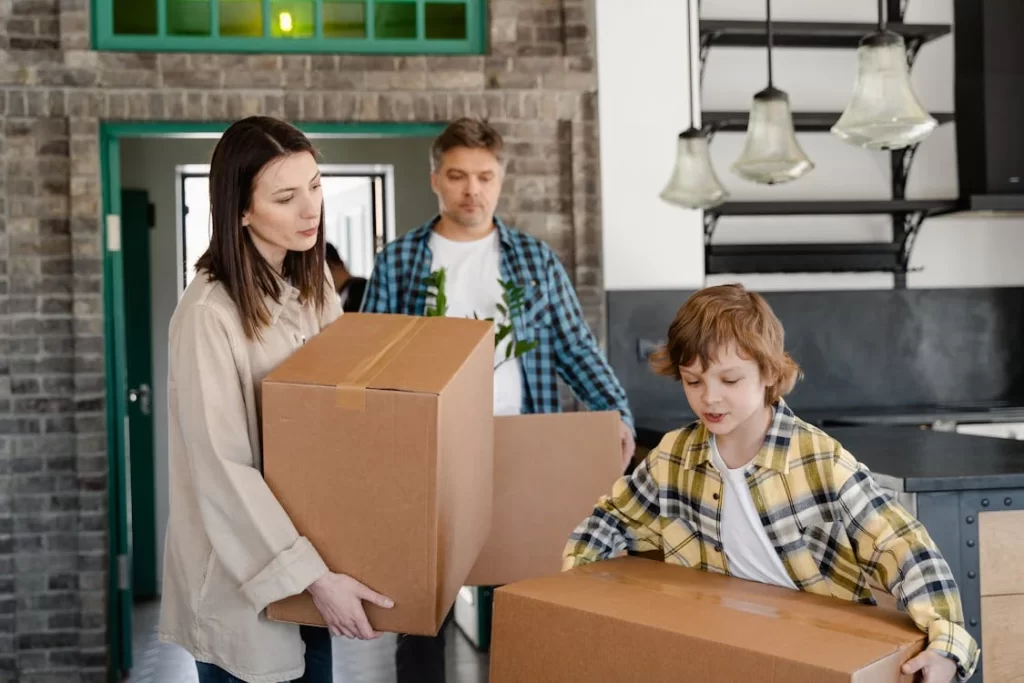
Efficient Packing Strategies for Every Room
Packing efficiently is essential for a smooth and organized move. By utilizing smart packing strategies tailored to each room in your home, you can streamline the process and minimize stress. Here are some tips and tricks for packing up common areas:
Kitchen:
- Declutter First: Start by decluttering your kitchen items, getting rid of expired food, unused appliances, and duplicate items.
- Pack Strategically: Use sturdy boxes and plenty of packing paper to protect fragile items. Consider packing smaller kitchen gadgets inside larger pots and pans to maximize space.
- Label Clearly: Clearly label each box with its contents and designate a specific box for essential items like coffee, snacks, and utensils for your first day in the new home.
Bedroom:
- Sort and Donate: Before packing, go through your clothes and accessories, donating or selling items you no longer need or use.
- Use Wardrobe Boxes: Invest in wardrobe boxes to transport hanging clothes easily. Leave clothes in drawers, securing them with plastic wrap to prevent shifting during transport.
- Protect Mattresses and Bedding: Use mattress covers and large plastic bags to protect your mattresses and bedding from dirt and moisture.
Living Room:
- Wrap Electronics Securely: Use bubble wrap and packing paper to protect electronics like TVs, gaming consoles, and speakers. Pack cables and accessories separately, labeling them for easy identification.
- Secure Fragile Items: Pack fragile items like picture frames and decorative pieces with care, using plenty of padding and cushioning materials.
- Label Cables and Components: Take photos of how your entertainment system is set up before disconnecting cables. Label each cable and component to simplify reassembly.
Bathroom:
- Minimize Products: Sort through toiletries and medications, discarding expired or unused items. Consider packing toiletries in a separate box for easy access upon arrival.
- Secure Glass and Fragile Items: Wrap glass bottles and containers with bubble wrap or packing paper to prevent breakage. Use small boxes or plastic bins to keep items organized.
- Pack Towels and Linens Last: Use towels and linens to pad fragile items when packing boxes. Pack towels and linens in vacuum-sealed bags to save space.
Room-by-Room Timeline Table

Efficient Loading and Unloading Techniques
Loading and unloading your belongings onto the moving truck requires careful planning and efficient techniques to maximize space and ensure the safety of your items. Here are some strategies to help you load and unload your possessions effectively:
Loading:
- Heavy Items First: Start by loading heavy furniture and appliances onto the truck first, placing them against the walls to distribute weight evenly.
- Utilize Moving Equipment: Use moving dollies and furniture sliders to transport heavy items like couches, dressers, and refrigerators with ease.
- Pack Strategically: Place large, sturdy items like mattresses and mirrors upright against the walls to create a solid base. Fill in gaps with smaller boxes and items to prevent shifting during transit.
- Secure Fragile Items: Use furniture blankets and straps to secure fragile items in place and prevent them from shifting or tipping over during transport.
- Distribute Weight Evenly: Distribute weight evenly throughout the truck to maintain balance and stability. Place heavier items towards the front of the truck and lighter items towards the back.
Unloading:
- Plan Ahead: Before unloading, designate specific areas in your new home for each type of item, such as furniture, appliances, and boxes. This will make the unloading process more efficient.
- Use Moving Straps: Utilize moving straps and harnesses to safely lift and carry heavy items off the truck and into your new home.
- Work as a Team: Enlist the help of friends or family members to assist with unloading heavy items and navigating tight spaces.
- Protect Floors and Walls: Use furniture sliders or cardboard to protect hardwood floors and walls from scratches and damage while unloading furniture and appliances.
- Take Breaks: Moving can be physically demanding, so be sure to take regular breaks and stay hydrated throughout the unloading process.
Final Checks:
- Inspect Items: Before signing off on the move, inspect each item as it is unloaded to ensure that it arrives in the same condition it left.
- Check for Damage: If any items are damaged during the move, document the damage and notify the moving company immediately to file a claim.
- Dispose of Packing Materials: Once everything has been unloaded, dispose of packing materials responsibly or recycle them if possible.

Unpacking and Settling into Your New Home
Once you’ve arrived at your new home, the unpacking process begins. Here are some tips for unpacking and settling in to make the transition as smooth as possible:
Prioritize Rooms:
- Start with Essentials: Begin by unpacking the essentials box you packed earlier, which contains items you’ll need immediately. Set up essentials like toiletries, bedding, and kitchen essentials first to make your new space functional right away.
- Focus on Common Areas: Unpack and set up common areas like the living room, kitchen, and bathrooms first, as these are the spaces you’ll use most frequently. This will help create a sense of normalcy and comfort in your new home.
Unpack Strategically:
- Room by Room: Similar to packing, unpack one room at a time to stay organized and focused. Start with the most important rooms, such as bedrooms and the kitchen, before moving on to less essential areas.
- Follow a Plan: If possible, create a unpacking plan or layout for each room to help guide the process. This can include where furniture will go, how you’ll organize belongings, and any specific tasks that need to be completed.
Set Up Utilities and Services:
- Check Utilities: Make sure all utilities are connected and functioning properly in your new home. This includes electricity, water, gas, internet, and any other essential services.
- Update Address and Services: Update your address with relevant parties such as banks, insurance providers, and subscription services. Arrange for mail forwarding with the postal service to ensure you receive important mail.
Organize and Arrange:
- Maximize Storage: Utilize storage solutions such as shelves, cabinets, and closets to maximize space and keep your new home organized. Consider investing in storage bins or organizers to keep smaller items tidy.
- Arrange Furniture: Arrange furniture in each room to optimize space and flow. Experiment with different layouts until you find one that works best for your needs and preferences.
Personalize Your Space:
- Add Personal Touches: Make your new house feel like home by adding personal touches such as photographs, artwork, and decor. Incorporate items that hold sentimental value or reflect your personality and style.
- Take Your Time: Don’t feel pressured to unpack and decorate all at once. Take your time to settle in and gradually make your new space feel comfortable and inviting.
Explore Your Neighborhood:
- Get Acquainted: Take some time to explore your new neighborhood and surroundings. Visit local shops, restaurants, parks, and amenities to familiarize yourself with your new community.
- Meet Your Neighbors: Introduce yourself to your neighbors and get to know the people in your new area. Building connections with your neighbors can help you feel more at home and integrated into the community.
Relax and Enjoy:
- Take Breaks: Moving can be physically and emotionally exhausting, so remember to take breaks and prioritize self-care throughout the unpacking process. Pace yourself and don’t hesitate to ask for help if needed.
- Celebrate: Once you’ve finished unpacking and settling in, take time to celebrate this milestone. Whether it’s with a quiet dinner at home or a gathering with friends and family, acknowledge and appreciate the accomplishment of moving into your new home.
Experience a Hassle-Free Move with Movers of Redondo Beach
Ready to make your move stress-free and efficient? Contact Movers of Redondo Beach today for expert assistance tailored to your needs. Our experienced team will handle every aspect of your move, from packing and loading to transportation and unpacking, ensuring a seamless transition to your new home or office. With our commitment to customer satisfaction and attention to detail, you can trust us to deliver exceptional service every step of the way. Get in touch now for a personalized quote and discover the difference professional movers can make.

