


Packing is often considered one of the most tedious aspects of moving, but its importance cannot be overstated. Proper packing not only ensures that your belongings reach their destination in one piece but also makes the entire moving process more efficient. Think about it: a well-packed box is easier to carry, stack, and unpack. This means less time spent on the actual move and more time to enjoy your new home.
In this comprehensive guide, we’ll delve into the art of packing for a damage-free move. From room-by-room strategies to last-minute concerns, we’ve got you covered. We’ll also discuss the benefits of hiring experts for packing services, how to create an essentials box, and much more. Whether you’re a moving novice or a seasoned pro, you’ll find valuable tips and tricks to make your next move a breeze.
Exploring the Impact of Packing on a Smooth Move
How Proper Packing Can Make or Break Your Moving Experience
When it comes to moving, the phrase “you get out what you put in” couldn’t be more accurate. The effort and thought you invest in packing your belongings will directly impact your overall moving experience. Proper packing minimizes the risk of damage, makes loading and unloading more efficient, and can even save you money by reducing the number of trips needed. On the flip side, poor packing can result in broken items, lost belongings, and unnecessary stress and expenses.
Imagine opening a box at your new home only to find your favorite vase shattered or your important documents crumpled. These are the kinds of scenarios that proper packing aims to prevent. By taking the time to pack your items carefully and strategically, you’re not just preparing for a move—you’re ensuring a smoother transition into your new life.

Creating a Comprehensive Packing Materials Checklist
What You’ll Need
Before you start tossing your belongings into boxes, it’s crucial to gather all the packing supplies you’ll need. This includes sturdy boxes of various sizes, packing tape, bubble wrap, packing paper, and markers for labeling. Don’t forget specialized boxes for items like mirrors, artwork, and clothing. Having all your materials at hand will save you time and prevent last-minute runs to the store.
Where to Source Quality Materials
You might be tempted to skimp on packing materials to save a few bucks, but quality matters. Cheap boxes can easily collapse, and thin tape might not hold up during the move. Consider purchasing supplies from a reputable moving company or a specialized packing store. Many moving companies, including Movers of Redondo Beach, offer high-quality packing materials that are designed to withstand the rigors of moving. Alternatively, you can also look for recycled boxes and packing materials from friends or local businesses to be more eco-friendly.
How to Efficiently Pack Room by Room
The Benefits of a Room-by-Room Strategy
Packing room by room is not just a method; it’s a strategy that can save you a lot of headaches. By focusing on one space at a time, you can better organize your belongings, making it easier to unpack and settle into your new home. This approach also allows you to prioritize your packing. For example, you can start with rooms that are less frequently used, allowing you to pack well in advance without disrupting your daily life.
How to Prioritize Rooms
When using a room-by-room strategy, it’s essential to have a game plan. Start with spaces like the guest room, attic, or basement—areas you don’t use daily. This allows you to make significant packing progress without affecting your day-to-day activities. As you move closer to the moving day, you can focus on more frequently used rooms like the kitchen and bedrooms. The key is to balance the need to pack early with the need to maintain a livable space for as long as possible.
Declutter Before You Pack
The Benefits of Purging Unused or Unnecessary Items
One of the most overlooked yet essential steps in the moving process is decluttering. Before you start packing, take some time to go through your belongings and decide what you really need to take with you. Not only does this reduce the volume of items you’ll need to pack, but it can also save you money on moving costs. Fewer items mean fewer boxes, less labor, and potentially a smaller moving truck. Plus, decluttering can be emotionally liberating, making your new home a more organized and pleasant space.
How Decluttering Makes Packing Easier
Once you’ve decluttered, you’ll find that packing becomes a much more straightforward task. With fewer items to worry about, you can pack more efficiently and effectively. You’ll also find it easier to organize your belongings as you pack, making the unpacking process at your new home a breeze. Consider donating or selling items you no longer need; it’s a win-win situation where you lighten your load and potentially make some extra cash or help someone in need.
The 2-4 Week Mark: What to Focus On
Areas and Items to Concentrate On
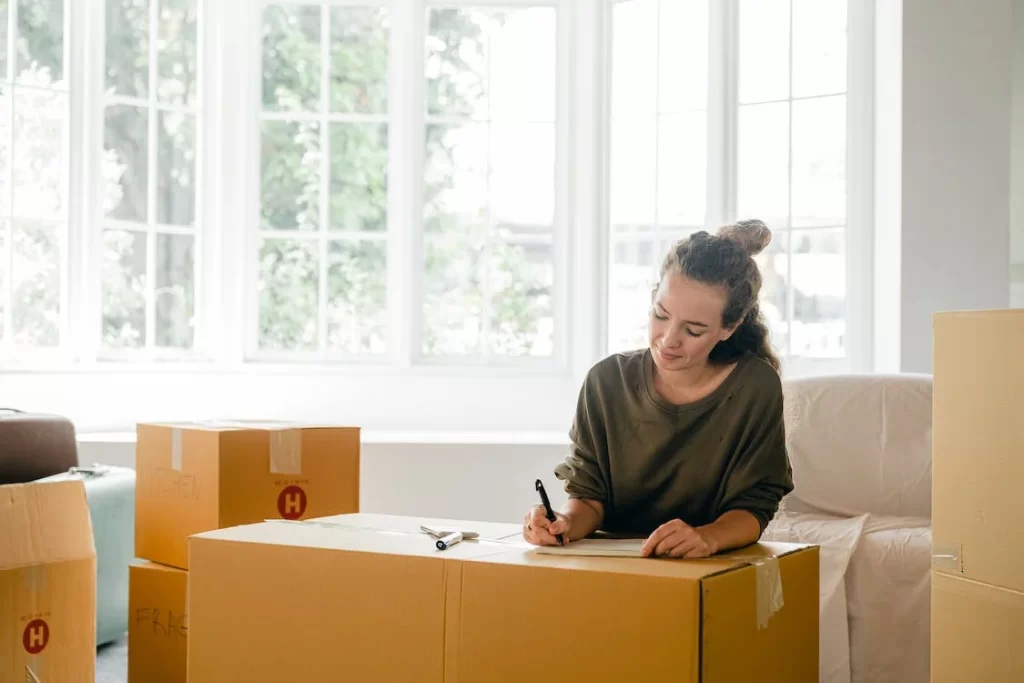
As you approach the 2-4 week mark before your moving day, it’s time to get serious about packing. Focus on areas and items that are less frequently used, such as seasonal clothing, holiday decorations, or specialty kitchenware. These are items you can pack early without affecting your daily life. If you have a home office, start by packing books, files, and other non-essential items. The idea is to make steady progress without disrupting your routine too much.
The Importance of Starting Early
Starting early is not just about reducing stress; it’s about giving yourself the time to pack carefully and thoughtfully. Rushed packing often leads to broken or damaged items, disorganization, and a more stressful move overall. By starting 2-4 weeks in advance, you give yourself the time to pack at a comfortable pace, double-check everything, and even repack items if needed. It’s always better to have too much time than not enough, especially when it comes to something as significant as a move.
Organize Your Paperwork
Creating a Moving Folder for All Essential Documents
In the chaos of packing boxes and wrapping furniture, it’s easy to overlook the smaller yet equally important task of organizing your paperwork. Create a dedicated moving folder to keep all essential documents, such as contracts, rental agreements, and utility setup confirmations. This folder should be easily accessible throughout the move, ensuring that you have all necessary information at your fingertips when needed.
Why Keeping Hard Copies is Crucial
While we live in a digital age, having hard copies of important documents can be a lifesaver during a move. Digital files can get lost or corrupted, and you may not always have immediate access to a printer or the internet. Hard copies provide a fail-safe, ensuring that you have all the information you need, when you need it. Keep these documents in a safe but accessible place, like a well-labeled folder in your essentials box.
How to Maximize Space
Utility and Address Updates
As you pack, it’s also crucial to think about the logistics of your move, including utility and address updates. Notify your utility providers about your move date and arrange for services to be disconnected at your old home and reconnected at your new one. This ensures that you’re not paying for utilities at two places at the same time.
Why It’s Crucial to Notify Utility Companies
Failing to update your utility services can result in extra costs and complications. For example, you might end up paying for an extra month of electricity at your old place or, worse, arrive at your new home to find it without power. A little planning goes a long way in avoiding such inconveniences.
How to Efficiently Update Your Address
Don’t forget to update your address with the postal service, banks, and other institutions. This is not just about receiving mail; it’s about ensuring that all important communications reach you promptly. Most services allow you to update your address online, making this a quick and easy task that you can do ahead of time.
Packing Supplies: What You’ll Need
Essential Packing Supplies for a Damage-Free Move
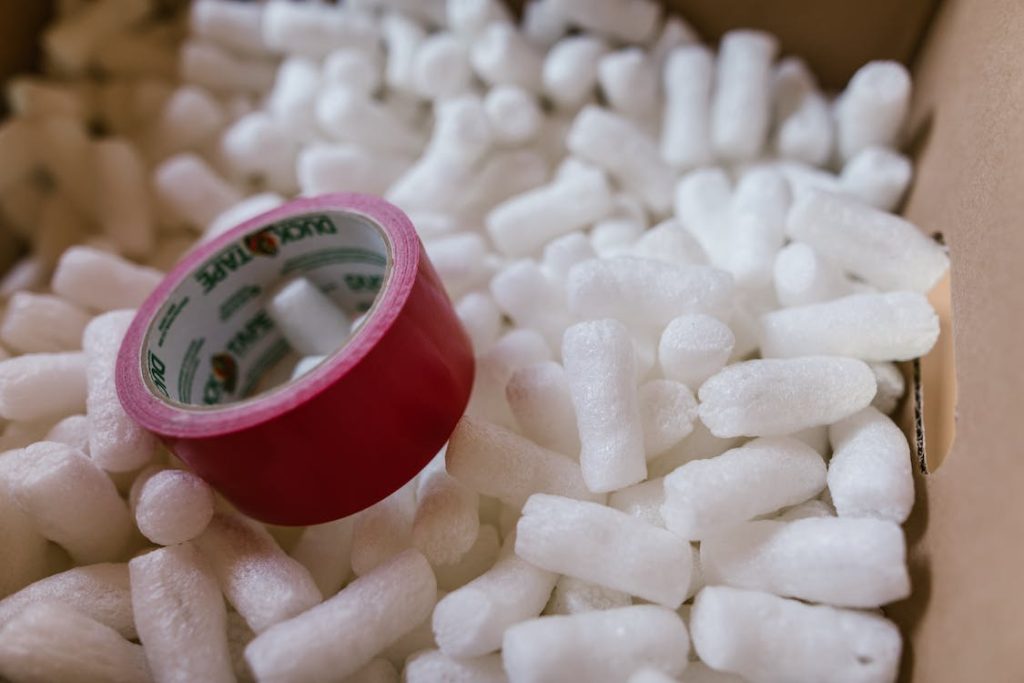
When it comes to packing, not all supplies are created equal. You’ll need a variety of boxes, from small to large, to accommodate different items. Don’t forget specialized boxes for fragile or awkwardly shaped items. Packing tape is a must, and it’s worth investing in a quality brand to ensure your boxes stay sealed. Bubble wrap, packing paper, and foam peanuts are also essential for protecting your belongings.
Where to Source Quality Materials
Quality matters when it comes to packing supplies. Opt for double-walled boxes for heavier items and make sure to purchase enough packing tape to seal boxes securely. Many moving companies offer packing supplies as part of their services, making it convenient to get everything you need from one place. If you’re looking to save money, consider sourcing boxes from local businesses or friends who have recently moved. Just make sure they’re in good condition to ensure the safety of your items.
Safely Packing Delicate Items and Valuables
Special Considerations for Fragile and Valuable Items
When it comes to packing delicate items like glassware, antiques, or valuables, special care is needed. These items are not only financially valuable but often have sentimental value as well. Use ample padding materials like bubble wrap or foam sheets to cushion these items. For extremely fragile items, consider double-boxing them for extra protection.
How to Safely Pack Fragile Items
The key to safely packing fragile items is to provide enough cushioning to absorb any shocks during the move. Use bubble wrap liberally and fill any empty spaces in the box with crumpled packing paper or foam peanuts. Make sure to label these boxes as “Fragile” and “This Side Up” to ensure they are handled carefully.
How to Prepare Furniture for a Move
Tips for Disassembling and Wrapping Furniture
Furniture can be one of the most challenging items to move, mainly due to its size and weight. Whenever possible, disassemble larger pieces like beds, tables, and shelving units. This makes them easier to move and less likely to be damaged. Once disassembled, wrap each piece in moving blankets or bubble wrap and secure with packing tape. For items that can’t be disassembled, make sure to remove any loose or detachable parts like cushions or knobs.
How to Secure Furniture to Prevent Scratches and Damage
Once your furniture is wrapped, the next step is to secure it properly, especially if you’re using a moving truck. Use ropes or straps to tie down larger items, ensuring they won’t move during transit. Pay special attention to corners and edges, which are particularly susceptible to scratches and dents. A little extra time spent securing your furniture can save you from costly repairs or replacements later on.

The Importance of Clear and Consistent Labeling
Why Labeling is Essential
Labeling might seem like a minor detail in the grand scheme of moving, but it’s actually crucial for several reasons. First, it helps you and your movers know what’s inside each box, making it easier to decide where each box should go in your new home. Second, it helps you find what you need more quickly when you start unpacking. Imagine the frustration of having to open multiple boxes just to find your coffee maker on the first morning in your new home.
Tips for Effective Labeling
When it comes to labeling, clarity and consistency are key. Use a thick, dark marker that’s easy to read and label each box on multiple sides so you can easily identify them from any angle. Include not just what’s inside the box but also which room it belongs to. For boxes containing fragile items, make sure to add additional labels like “Fragile” or “Handle with Care” to alert movers.
Techniques for Efficient Packing Within Boxes
How to Maximize Space and Keep Items Secure
Efficient packing within boxes is an art form that can save you both time and money. The goal is to maximize space without compromising the safety of your items. Start by placing heavier items at the bottom of the box and lighter items on top. Fill any gaps with soft items like towels, linens, or crumpled packing paper to prevent items from shifting during the move.
How to Reduce the Risk of Items Shifting During the Move
One common mistake people make is leaving too much empty space within boxes, which allows items to move around and potentially get damaged. To prevent this, make sure each box is filled to capacity, using soft items or packing paper to fill any voids. Before sealing the box, give it a little shake to see if anything moves. If you hear or feel items shifting, add more padding until everything is snug.
How to Create an Essentials Box
What to Include and Why It’s Important
The first day in your new home can be chaotic, and the last thing you want to do is rummage through dozens of boxes looking for essentials. That’s why packing a box of immediate necessities is crucial. This box should include toiletries, a change of clothes, important documents, medications, and basic kitchen supplies like a kettle, some utensils, and non-perishable food items.
How to Make Your Essentials Box Easily Accessible
Once you’ve packed your essentials box, make sure it’s easily accessible. Whether you’re moving yourself or using a moving company, this box should be the last one loaded and the first one unloaded. Clearly label it and perhaps even use a different color or type of box to distinguish it from the others. The goal is to make your first night in your new home as comfortable as possible, and having immediate access to your essentials is a big step in that direction.
Benefits of Hiring Experts for Packing Services
Why Professional Packing Services are Worth Considering
While DIY packing can save you some money, there’s a lot to be said for the convenience and efficiency of professional packing services. Experts know how to pack items securely and efficiently, reducing the risk of damage during the move. They also have access to high-quality packing materials and can complete the job much faster than you could on your own. If you’re short on time or simply want to ensure that your belongings are as safe as possible, hiring experts is a wise choice.
What to Look for in a Packing Service
When considering professional packing services, look for companies that have a solid reputation and good reviews. Make sure they offer insurance and ask about their packing process. Some companies, like Movers of Redondo Beach, even offer specialized packing services for items like artwork or antiques. It’s always a good idea to get multiple quotes and compare services to find the best fit for your needs and budget.
The Importance of a Pre-Move Inspection
Why a Pre-Move Inspection is Crucial
A pre-move inspection is an essential step in the moving process that many people overlook. This inspection, usually conducted by your moving company, helps to assess the scope of the move and any special requirements you may have. It’s an opportunity to discuss any concerns, from fragile items to access issues at your new home. The inspection also helps the movers provide a more accurate quote and allows you to prepare better for moving day.
What to Expect During the Inspection
During the pre-move inspection, expect the movers to go through each room, taking note of the number and types of items to be moved. They may also ask about any items that require special handling or packing materials. Be sure to point out anything that you’re particularly concerned about. The more information the movers have, the smoother the move will be.
Addressing Any Last-Minute Packing Concerns
How to Handle Last-Minute Changes
Even with the best planning, last-minute changes or concerns can arise. Maybe you forgot to pack an essential item, or perhaps you suddenly realize that a piece of furniture won’t fit through the door at your new place. Whatever the issue, the key is not to panic. Take a deep breath, assess the situation, and come up with a solution. If you’re using a professional moving service, don’t hesitate to communicate any last-minute concerns; they’re there to help.
Tips for Last-Minute Packing
If you find yourself scrambling to pack at the last minute, focus on essentials and valuables first. Use towels, blankets, or even clothing to quickly wrap fragile items. For larger items, see if they can be disassembled to make moving easier. And remember, it’s never too late to label your boxes. A quick note on the side of the box can save you a lot of time and frustration when you’re unpacking.
Master the Art of Packing with Movers of Redondo Beach
Your Move, Your Way
Packing doesn’t have to be a stressful ordeal. With the right planning, supplies, and techniques, you can master the art of packing for a damage-free move. Whether you choose to pack yourself or opt for the convenience of professional packing services, Movers of Redondo Beach is here to help make your move as smooth as possible.
Ready to Make Your Move?
If you’re planning a move and want to ensure that your belongings are packed securely and efficiently, consider hiring the experts at Movers of Redondo Beach. With years of experience and a commitment to customer satisfaction, we offer a range of services to meet all your moving needs. Contact us today for a free quote and let us take the stress out of your next move.
