


How to Kickstart Your Office Relocation Journey
Are you gearing up for an office relocation? Embarking on this journey may seem like a daunting task, but fear not! With the expertise of professional office movers, you can ensure a smooth and hassle-free transition to your new workspace. In this guide, we’ll show you how to kickstart your office relocation journey and set the stage for a successful move.
Assess Your Office Needs:
Begin by assessing the specific needs of your office move. Consider the size of your current office space and the new location. Evaluate the type of furniture, equipment, and supplies you have.
Engage Professional Office Movers:
The first step in a successful office relocation is to enlist the services of experienced office movers. They bring valuable expertise and resources to ensure a seamless move.
Budget and Planning:
Determine your relocation budget and create a detailed plan. This should include timelines, milestones, and a breakdown of expenses.

Delegate Responsibilities:
Assign clear responsibilities to team members or department heads to streamline the relocation process. Having a designated point person for each aspect of the move can help avoid confusion.
Inventory and Asset Management:
Create an inventory of all office assets, including furniture, electronics, and office supplies. This list will be essential for tracking items during the move.
Establish a Communication Plan:
Effective communication is key during an office move. Keep your employees informed about the relocation plans and any changes to their work routines.
Consider Technology Needs:
Ensure that your IT infrastructure is prepared for the move. Coordinate with your IT team or service provider to handle the safe disconnection and reconnection of equipment.
Identify Potential Challenges:
Anticipate any challenges that may arise during the move, such as heavy or specialized equipment. Discuss these with your office movers to develop solutions.

How to Evaluate Your Office Space for a Smooth Move
Before you dive into the logistics of your office relocation, it’s crucial to assess your current office space thoroughly. This evaluation will lay the foundation for a smooth and well-organized move, ensuring that nothing is overlooked. In this section, we’ll guide you on how to effectively evaluate your office space as you prepare for the big move.
Understand Your Office Layout:
Start by gaining a comprehensive understanding of your current office layout. Identify different departments, workstations, and common areas. Take note of any unique features or challenges in the space.
Document Your Inventory:
Create a detailed inventory of all office furniture, equipment, and supplies. This list will serve as your reference throughout the relocation process, helping you keep track of everything.
Assess the Condition of Assets:
Inspect the condition of each item on your inventory list. Note any damages or wear and tear. This information will be valuable for insurance purposes and determining whether any items need repairs or replacements.
Consider Space Optimization:
Evaluate whether your current office layout is efficient. Are there opportunities to optimize space in your new location? Discuss potential layout changes with your office movers to make the most of your new space.
Identify IT Infrastructure:
Take stock of your IT infrastructure, including servers, computers, and networking equipment. Ensure that all IT assets are properly labeled for easy disconnection and reconnection.
Review Lease Agreements:
If you’re vacating a leased office space, review your lease agreement to understand any specific requirements or responsibilities related to the move.
Accessibility and Logistics:
Consider factors like access points, elevators, and loading docks at both your current and new office locations. Ensure that your office movers are aware of any logistical challenges.
Safety and Compliance:
Assess safety features and compliance with regulations in your current office. Make sure that your new office space adheres to all necessary safety standards.
How to Craft a Comprehensive Office Moving Plan
As you proceed with your office relocation, one of the most critical steps is crafting a comprehensive moving plan. A well-structured plan will serve as your roadmap, ensuring that every aspect of the move is carefully coordinated. Let’s dive into how to create such a plan for your office move.
Start Early and Set Clear Goals:
Begin the planning process well in advance of your move date. Define your objectives, priorities, and desired outcomes for the relocation.
Create a Timeline:
Establish a detailed timeline that includes all essential milestones and deadlines. This timeline should cover everything from the initial planning stages to the post-move adjustments.
Budget and Resources:
Determine your budget for the office move and allocate resources accordingly. Be sure to account for costs related to professional office movers, packing materials, transportation, and any unforeseen expenses.
Task Delegation:
Assign specific responsibilities to individuals or teams within your organization. Clearly define who is in charge of what tasks, from packing and labeling to IT disconnection and reconnection.
Inventory Management:
Maintain a comprehensive inventory list of all office assets. This list will serve as your reference point during packing, transportation, and unpacking.
Coordinate with Office Movers:
Collaborate closely with your chosen office movers. Share your moving plan with them and ensure that they are aligned with your goals and schedule.
Communicate with Employees:
Keep your employees informed about the relocation plan. Address any concerns and provide them with the necessary information to minimize disruptions to their work.
Address Special Requirements:
If you have items that require special handling, such as sensitive equipment or delicate artwork, ensure that your plan includes provisions for their safe transport.
Backup and Contingency Plans:
Develop contingency plans for unexpected events, such as weather delays or equipment malfunctions. Having backup strategies in place can help you stay on track.
Testing and Dry Runs:
Before the actual move, consider conducting testing and dry runs to ensure that your plan is feasible and efficient. Identify and address any potential issues in advance.

Streamlining and Decluttering Your Office
When it comes to office relocation, moving everything without a clear plan can be counterproductive. Before packing and moving, it’s essential to streamline your office space and declutter effectively. This process will not only reduce the volume of items you need to move but also create a more efficient and organized workspace in your new location. Here’s how to go about it:
Assess Your Current Office Space
Conduct a Space Audit: Begin by conducting a thorough audit of your current office space. Identify areas that are cluttered, underutilized, or disorganized.
Evaluate Furniture: Assess the condition and necessity of your office furniture. Consider whether some pieces can be replaced or if you need additional furniture for the new space.
Determine What to Keep, Donate, or Discard
Categorize Items: Divide your office items into categories, such as essential, non-essential, and outdated. This categorization will help you make decisions about each item.
Donate or Recycle: Consider donating items that are in good condition but no longer needed to local charities or organizations. Recycle or dispose of items that are no longer usable.
Digitize Documents for a Paperless Office
Scan and Archive: If you have a substantial paper-based document archive, consider digitizing these documents. Scan and store them electronically to reduce the need for physical storage.
Data Backup: Ensure that all digital data is securely backed up before the move. This prevents data loss during transit.
Create a Streamlined Office Layout
Plan the New Office Layout: Utilize the opportunity of the move to plan a more efficient office layout. Consider open workspaces, collaborative areas, and ergonomic furniture.
Storage Solutions: Invest in effective storage solutions such as shelving, cabinets, and organizers to keep your new office space clutter-free.
Implement a Clear Desk Policy
Encourage Employees: Enforce a clear desk policy where employees are encouraged to keep their desks clutter-free. This practice fosters a tidier and more organized work environment.
Document Management: Implement digital document management systems to reduce the need for physical filing cabinets and storage.

Packing Like a Pro with Office Movers
When it comes to packing your office belongings, efficiency and organization are key. Proper packing ensures that your items are protected during the move and that the unpacking process at your new location is smooth. Here’s how to pack like a pro with the help of office movers:
Gather the Necessary Packing Supplies
Consult with Your Office Movers: Discuss packing supplies with your chosen office movers. They often provide essential packing materials, including boxes, bubble wrap, and packing tape.
Additional Supplies: If needed, procure additional packing materials such as specialty boxes for fragile items, packing paper, and markers for labeling.
Create a Packing Plan
Prioritize Items: Begin by identifying and prioritizing items that need to be packed. Start with non-essential items and seasonal items that won’t be immediately needed.
Assign Responsibilities: Delegate packing responsibilities to specific team members or departments. Make sure everyone is aware of their packing tasks.
Pack Room by Room
Pack Room by Room: Approach packing systematically by packing one room at a time. Label each box with the room it belongs to for easy unpacking.
Wrap and Protect: Use bubble wrap, packing paper, or foam cushioning to protect fragile items. Ensure that electronics are properly cushioned and secured.
Labeling and Inventory Management
Effective Labeling: Label each box clearly with its contents and destination room. Use color-coded labels for easy identification.
Maintain an Inventory: Keep an inventory list of all packed items. This will help you track items during the move and ensure nothing is left behind.
Seek Professional Assistance
Consult with Office Movers: Coordinate with your office movers throughout the packing process. They can provide guidance on specialized packing needs and ensure that everything is packed securely.
Specialized Equipment: If you have heavy or specialized equipment, discuss the best packing and handling methods with your office movers.
Document Sensitive Information
Secure Documents: If your office deals with sensitive documents, ensure they are packed securely and separately. Consider using lockable containers or filing cabinets.
Data Backup: Prioritize backing up digital data to prevent data loss during the move. Ensure that backup copies are stored securely.
Stay Organized
Checklists: Maintain packing checklists to track progress and ensure that nothing is overlooked.
Communication: Maintain open communication with your office movers and team members to address any packing concerns or questions.
Mastering the Art of Labeling and Inventory Management
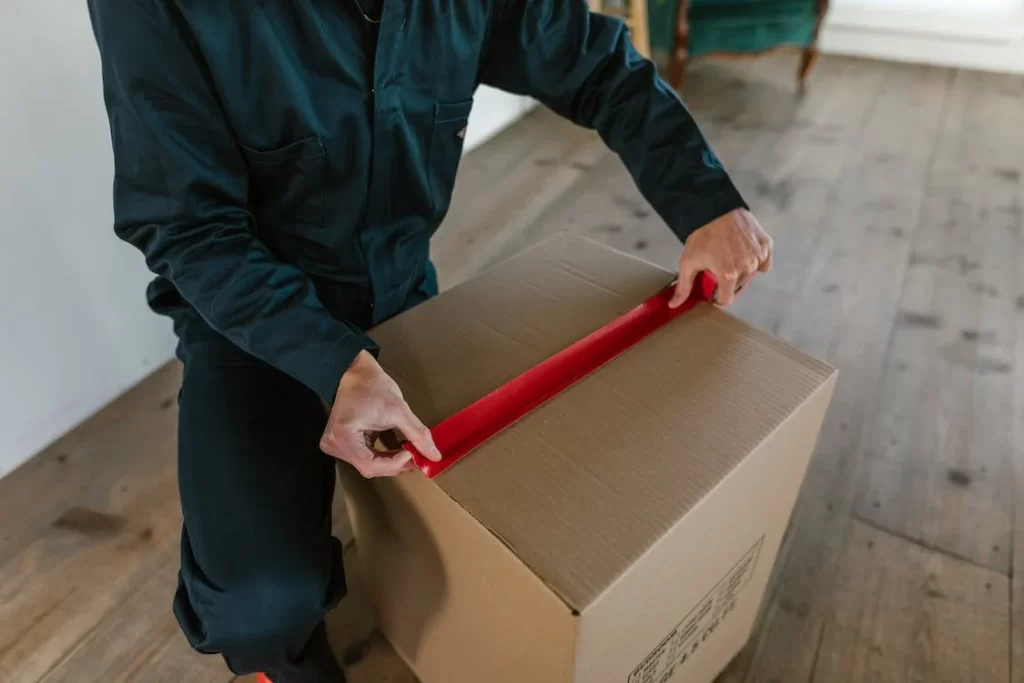
Labeling and inventory management are crucial aspects of a successful office move. They help ensure that your items are organized, easy to locate, and safely transported to your new office space. Here’s how to master these important tasks:
Effective Labeling Techniques
Clear and Detailed Labels: Use clear and detailed labels on all your packed boxes. Include information about the contents and the room they belong to. Clear labels make the unpacking process much smoother.
Color-Coded Labels: Consider using color-coded labels to further categorize items. Assign different colors to different departments or sections of your office. This helps movers quickly identify where each box should go.
Fragile Items: Clearly mark boxes containing fragile items. Use “fragile” labels and symbols to ensure that movers handle these boxes with extra care.
Maintaining an Inventory List
Create an Inventory Spreadsheet: Develop a comprehensive inventory list that details every item being moved. Include descriptions, quantities, and the condition of each item.
Item Numbers or Codes: Assign unique item numbers or codes to each item on your inventory list. This helps you cross-reference the list during the move.
Digital Inventory Tools: Consider using digital inventory management tools or apps to keep track of your items. Many apps allow you to scan barcodes or QR codes for easy item identification.
Checklists for Each Area
Room-Specific Checklists: Create checklists for each room in your current office. Note which items need to be moved, packed, or disposed of. Share these checklists with your office movers for clear instructions.
Packing Progress Checklist: Maintain a checklist to track the progress of packing. This helps ensure that no items are left behind.
Coordination with Office Movers
Share Your Inventory: Provide your inventory list to your office movers. They can use this information to plan the logistics of the move and allocate the right resources.
Regular Updates: Keep communication lines open with your office movers and provide them with regular updates on any changes or special requirements related to your inventory.
Tracking During the Move
Check Off Items: As items are loaded onto the moving truck, check them off your inventory list. This helps verify that all items are accounted for.
Digital Tracking: If using digital inventory tools, use them to scan items as they are loaded and unloaded. This provides real-time tracking.
Post-Move Inventory Check
Unpack and Verify: As you unpack at your new office space, cross-reference your inventory list to ensure that all items have safely arrived.
Address Discrepancies: If you notice any discrepancies or damage during the inventory check, report them to your office movers and address them promptly.
Mastering the art of labeling and inventory management is essential for a smooth office move. These practices help minimize the risk of items getting lost or damaged during transit and streamline the unpacking process in your new office space.
Securing Sensitive Information During Office Moves
In the digital age, protecting sensitive information is a top priority for businesses during office moves. Whether it’s confidential documents, customer data, or proprietary information, safeguarding this data is essential. Here’s how to ensure the security of sensitive information during your office move:
Protecting Physical Documents
Secure Document Storage: Before the move, ensure that all physical documents containing sensitive information are securely stored in lockable cabinets or file drawers.
Label Sensitive Files: Clearly label files or documents that contain sensitive information. This makes it easier to identify and handle them separately during the move.
Inventory of Sensitive Files: Create a detailed inventory of all sensitive physical documents. This list will help you track and account for these documents during the move.
Digital Data Security
Data Backup: Prioritize data backup before the move. Ensure that all digital data, including files, databases, and emails, are securely backed up.
Data Encryption: Encrypt sensitive digital data to protect it from unauthorized access. Use strong encryption protocols to secure data in transit and at rest.
Secure Hardware: If computers or servers are being moved, ensure that they are powered down and securely packed to prevent data breaches or hardware damage.
Compliance with Data Privacy Laws
Review Regulations: Familiarize yourself with data privacy regulations that apply to your business. Ensure that your office move complies with these regulations.
Data Handling Policy: Develop and enforce a data handling policy that outlines procedures for securely handling and transporting sensitive information during the move.
Secure Transport: Coordinate with your office movers to ensure secure transport of sensitive data. Consider using dedicated and locked containers for digital storage devices.
Employee Training and Awareness
Training Programs: Conduct training sessions for employees on data security practices during office moves. Ensure that they understand their role in safeguarding sensitive information.
Employee Responsibility: Make employees responsible for their own workstations and digital devices. Encourage them to take necessary precautions before the move.
Verification and Documentation
Inventory Checks: Maintain a record of sensitive information being moved, including where it’s stored and how it’s transported. Verify this information before and after the move.
Document Security Protocols: Create a document outlining security protocols for handling sensitive information during the move. Share this document with all parties involved.
Data Access Controls
Limit Access: Restrict access to sensitive information to authorized personnel only. Ensure that access controls are maintained during the move.
Password Management: Encourage employees to update and strengthen passwords for digital accounts and systems as an additional security measure.

How to Select the Ideal Moving Truck and Equipment
Choosing the right moving truck and equipment is a critical aspect of a successful office move. The size and type of truck, along with the equipment used, can greatly impact the efficiency and safety of your relocation. Here’s how to select the ideal moving truck and equipment for your office move:
Assess Your Moving Needs
Office Size: Consider the size of your current office space and the new location. Determine the volume of items that need to be moved, including furniture, equipment, and supplies.
Distance and Route: Evaluate the distance between your current and new office locations, as well as the route. Note any potential challenges such as narrow roads or tight corners.
Specialized Equipment: Identify any heavy or specialized equipment that requires special handling and transport. This may include large printers, copiers, or machinery.
Choosing the Right Moving Truck
Truck Size: Select a moving truck size that accommodates your belongings comfortably. It’s better to have some extra space than to cram items into a small truck.
Truck Accessibility: Consider the accessibility of the truck at both your current and new office locations. Ensure that it can easily access loading docks or parking areas.
Truck Features: Check if the truck has features such as a liftgate, ramps, and a secure locking system. These features can simplify the loading and unloading process.
Equipment for Safe Transport
Moving Dollies: Ensure that you have an adequate number of moving dollies to transport heavy or bulky items safely. Different types of dollies are available for various purposes.
Packing Supplies: Have packing supplies such as moving blankets and straps on hand to secure items in the truck and prevent damage during transit.
Wrapping Materials: Utilize wrapping materials like shrink wrap and bubble wrap to protect furniture and delicate equipment from scratches and impacts.
Discuss Requirements with Office Movers
Consult with Your Office Movers: Coordinate with your office movers to discuss your specific truck and equipment requirements. They can recommend the right solutions based on their experience.
Additional Services: Inquire about additional services that your office movers offer, such as providing the necessary equipment or handling specialized items.
Consider Safety and Insurance
Insurance Coverage: Ensure that your office movers provide insurance coverage for your belongings during the move. Verify the extent of coverage and any additional insurance options.
Safety Precautions: Discuss safety measures with your office movers, including securing items in the truck and handling fragile or sensitive equipment.
How to Unpack and Set Up Your New Office Space
Congratulations on reaching your new office space! The process of unpacking and setting up your new workspace is crucial for a smooth transition and resuming normal business operations. Here’s how to efficiently unpack and organize your new office:
Prioritizing Unpacking Tasks
Essential Items First: Begin by unpacking and setting up essential items that your team needs to work effectively. This may include computers, phones, and office supplies.
Furniture Arrangement: Decide on the placement of office furniture to create a functional layout. Arrange workstations, desks, and seating according to your pre-planned office design.
Efficiently Organizing Your New Workspace
Designate Work Areas: Clearly define different work areas within your office, such as individual workstations, meeting spaces, and common areas. This enhances organization and workflow.
Storage Solutions: Install storage solutions like cabinets, shelves, and file systems to keep your office organized. Label storage areas for easy access.
Unpacking Electronics and IT Equipment
IT Team Coordination: Coordinate with your IT team or service provider to reconnect and set up all electronic devices, including computers, printers, and servers. Ensure network connectivity.
Testing Equipment: Test all electronic equipment to verify that it’s functioning correctly. Address any technical issues promptly.
Safety and Compliance Checks
Safety Inspection: Conduct a safety inspection of your new office space to identify any potential hazards or safety concerns. Ensure that fire extinguishers and emergency exits are accessible and functional.
Compliance with Regulations: Verify that your new office complies with local building codes and regulations. Make any necessary adjustments to ensure compliance.
Employee Orientation
Employee Onboarding: Familiarize employees with the layout of the new office space and the location of essential facilities, such as restrooms, break rooms, and emergency exits.
Communication: Maintain open communication with your team throughout the unpacking and setup process. Encourage them to share feedback and suggestions for improvement.
Post-Move Checklist and Adjustments
Post-Move Checklist: Create a checklist to ensure that all items have been unpacked, set up, and are in working order. Address any outstanding tasks or issues.
Adjustments and Fine-Tuning: Be prepared to make adjustments to the office layout or setup based on feedback from employees. Fine-tune the workspace to optimize productivity.

Post-Move Adjustments and Final Tips from Office Movers
Congratulations on successfully completing your office move! While the major aspects of the relocation are behind you, there are still important post-move adjustments and considerations to ensure a seamless transition. Here are some final tips and recommendations from office movers to wrap up your office move:
Conduct a Post-Move Evaluation
Assessment Meeting: Schedule a post-move assessment meeting with your team to gather feedback and insights about the new office space. Encourage open communication about any issues or improvements needed.
Addressing Concerns: Promptly address any concerns or challenges that arise in the new office. This may include issues with equipment, layout, or other aspects of the workspace.
Employee Support and Morale
Employee Support: Continue to support your employees during the transition. Address any questions or concerns they have and provide resources to help them adapt to the new environment.
Celebrate the Move: Celebrate the successful move with your team. Consider hosting an office-warming event or a simple gathering to boost morale and foster a sense of community.
Document and Archive
Document the Move: Ensure that all relevant documentation related to the move, including contracts, invoices, and receipts, is properly filed and archived for future reference.
Inventory Check: Perform a final inventory check to confirm that all items have been successfully relocated. Update your inventory list to reflect the new office layout.
Additional Tips from Office Movers
Stay Organized: Maintain an organized office environment from day one in your new space. Implement efficient workflows and systems to keep your office running smoothly.
Flexibility and Adaptation: Be open to making adjustments to your office setup as needed. Over time, you may identify opportunities to optimize your workspace further.
Continuous Improvement: Continuously seek ways to improve office operations and employee satisfaction in the new space. Regularly gather feedback and make necessary enhancements.
Long-Term Planning: Consider long-term plans for your office space. Think about future growth, potential renovations, or upgrades to accommodate evolving business needs.
Engage with Office Movers: Maintain a positive relationship with your office movers for potential future relocations or additional services. Their expertise can be valuable beyond the initial move.
Express Gratitude
Don’t forget to express gratitude to your team and the office movers who contributed to the success of your office relocation. A well-executed move is a team effort, and acknowledging everyone’s hard work is a great way to conclude the process.
Take the First Step Towards a Seamless Office Move
Ready to make your office move a smooth and efficient process? Contact Movers of Redondo Beach, your trusted office movers, today for a hassle-free relocation experience. Get started now and enjoy a seamless transition to your new workspace!
